
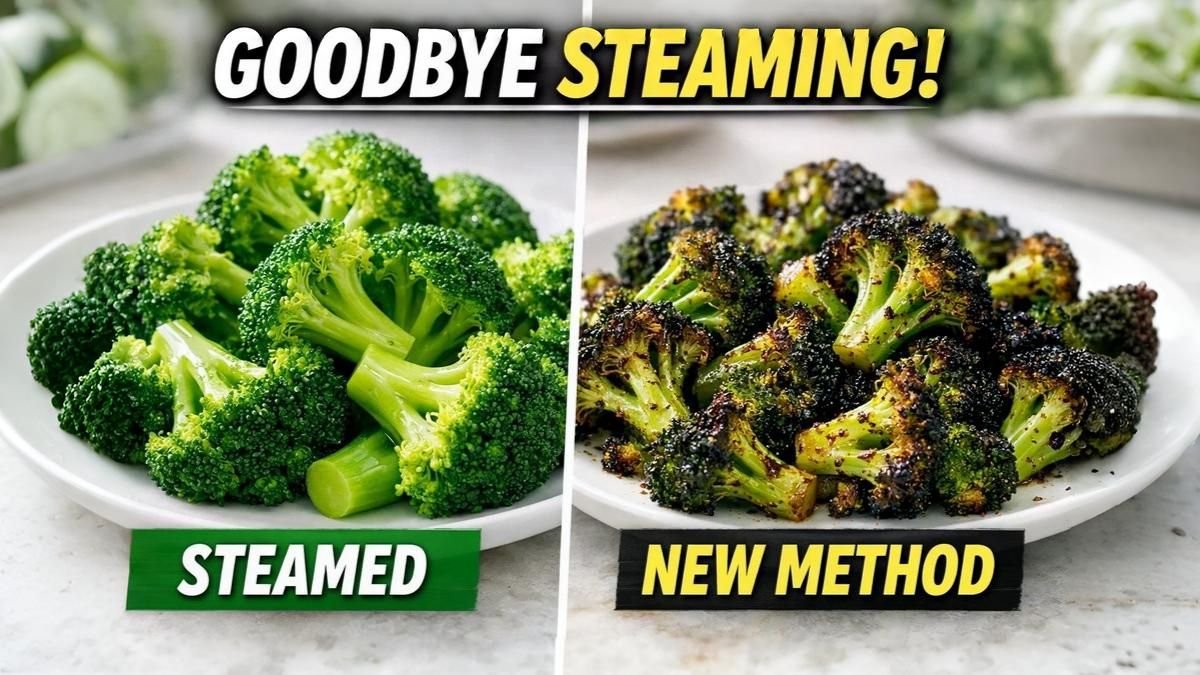
Broccoli has long held its position as one of the healthiest vegetables in the world, and for good reason. Rich in vitamins, minerals, antioxidants, and fiber, this green powerhouse supports everything from better digestion to stronger immunity. Yet, there’s a hidden truth most people overlook: the way you cook broccoli can either preserve its impressive nutritional value or destroy a good portion of it. Many households rely on steaming as the so-called “healthiest method,” but research and culinary observation show that steaming is not always the best approach. Surprisingly, there is a method that outperforms steaming in nutrient retention while also enhancing texture and flavor. Saying “goodbye steaming” may sound unconventional, but once you understand how broccoli reacts to heat and how different cooking methods influence its nutrient profile, the switch becomes obvious. This article explores the best way to cook broccoli to preserve its goodness while still keeping your meals simple, delicious, and fulfilling.
Why Steaming Isn’t Always the Best Choice
For years, steaming has been celebrated as the gold standard of healthy cooking. It is often praised for keeping vegetables crisp, colorful, and lightly cooked without adding fats. While steaming does retain more nutrients compared to boiling, it still causes certain vitamins—especially heat-sensitive and water-soluble ones like vitamin C—to degrade quickly. The moment broccoli is exposed to long periods of moist heat, enzymes responsible for forming beneficial compounds begin to break down. As a result, even lightly steamed broccoli may lose part of its natural potential.
Another concern with steaming is texture. Although some people prefer a slightly crunchy bite, many end up with broccoli that is soft on the outside yet firm on the inside, an imbalance that makes it less enjoyable to eat. Poor texture often discourages consistent consumption, and if a healthy food isn’t enjoyable, it rarely becomes a steady part of anyone’s diet. Flavors can also remain muted when broccoli is steamed. Since it is cooked with water vapor alone, broccoli doesn’t undergo caramelization or browning—chemical processes that can add layers of taste. This often leaves the vegetable tasting plain or even bland unless additional seasonings or sauces are added afterward.
The Best Method to Cook Broccoli for Maximum Nutrients
If steaming isn’t ideal, then what should you use instead? The answer lies in a technique that is both simple and surprisingly effective: sautéing or stir-frying. This method preserves more nutrients than steaming because the broccoli cooks quickly at high heat, minimizing the time it is exposed to temperatures that degrade vitamins. Additionally, stir-frying uses only a small amount of healthy fat, which helps your body absorb fat-soluble nutrients such as vitamin K and beta-carotene more efficiently.
Stir-frying also unlocks natural flavors through light browning, giving broccoli a more complex taste without overcooking it. The quick cooking time ensures the florets remain vibrant, crisp yet tender, and packed with health-promoting compounds. This method works especially well when broccoli is cut into small, uniform pieces to ensure even cooking. No special equipment is required beyond a simple skillet or wok.
Beyond stir-frying, another beneficial approach is roasting. When broccoli is roasted in a hot oven, it undergoes caramelization, which deepens flavor and preserves nutritional content because the dry heat method prevents water-soluble vitamins from leaching out. Roasting also reduces moisture loss slowly, allowing the broccoli to maintain a firm texture. These two methods—stir-frying and roasting—have become the preferred choices for chefs, nutritionists, and home cooks who want both health benefits and great taste.
Understanding How Broccoli Retains Nutrients
To appreciate why sautéing or roasting is superior to steaming, it helps to understand how nutrient retention works. Broccoli is rich in vitamin C, vitamin K, folate, antioxidants, and a compound called sulforaphane. Sulforaphane is especially valuable because it helps fight inflammation, supports detoxification, and may reduce the risk of certain chronic diseases. However, sulforaphane relies on an enzyme called myrosinase, which activates only when broccoli is chopped or chewed. If broccoli is exposed to heat for too long, this enzyme loses its effectiveness.
Quick cooking at high heat, such as stir-frying, helps preserve the enzyme because it minimizes the contact time between the vegetable and heat. Steaming, by contrast, often lasts longer, and even though the heat level is lower, the extended exposure weakens the enzyme’s activity. Roasting also helps because it allows broccoli to cook without direct contact with water, protecting its water-soluble components.
Another important factor is the presence of fats. Certain nutrients in broccoli absorb more effectively in the presence of healthy oils. Stir-frying automatically incorporates a small amount of oil, which supports better nutrient absorption. When roasting, a light drizzle of olive oil provides the same advantage. For those who have always boiled or steamed broccoli without adding healthy fats, this difference can be significant.
Simple Stir-Fried Broccoli Recipe for Daily Meals
Stir-fried broccoli is incredibly easy to prepare, and once you do it a few times, it becomes a habit. Start by cutting the broccoli into bite-sized florets and slicing the stems thinly so nothing goes to waste. Heat a small amount of olive oil or avocado oil in a large skillet over medium-high heat. Add the broccoli and toss it gently to coat the pieces with oil. Let the broccoli cook for a few minutes until you notice light browning. At this stage, you can add minced garlic for extra flavor, a splash of water to create steam for softness, or soy sauce for depth. Cook for a few minutes more until the broccoli turns bright green and tender but not mushy. This method creates a beautifully fragrant, flavorful side dish that pairs well with rice, noodles, grilled chicken, tofu, or any protein of your choice.
Because the ingredients are minimal and the technique is simple, this recipe fits into daily cooking without adding stress or prep time. It also allows room for creativity. You can mix broccoli with carrots, bell peppers, mushrooms, or snap peas to create a colorful stir-fry. Broccoli also works beautifully with sesame oil or ginger for an Asian-inspired twist. This flexibility makes stir-fried broccoli practical for busy weekdays while retaining nutritional value.
Roasted Broccoli for a Deep, Caramelized Flavor
Roasting broccoli in the oven creates a completely different taste experience—richer, slightly smoky, and beautifully caramelized. This method brings out a nutty aroma that steaming can never achieve. To roast broccoli, preheat your oven to a high temperature, usually around 425°F (220°C). Spread the broccoli florets on a baking sheet and drizzle with olive oil. Toss until every piece is lightly coated, then season with salt and pepper. Roast the broccoli for about twenty minutes, turning the pieces halfway through to ensure even browning.
The result is crispy edges, tender centers, and a deep flavor profile. Roasted broccoli can be served as a stand-alone side dish, tossed into salads, mixed into pasta, or even used as a topping for grain bowls. You can enhance it by adding lemon zest, parmesan cheese, or a squeeze of lemon juice after cooking. Roasting also requires very little active cooking time, making it ideal for families or anyone who prefers a hands-off method.
Broccoli with Garlic Lemon Butter: A Quick Gourmet-Style Dish
Another delightful way to enjoy broccoli while keeping nutrients intact is by preparing it with garlic lemon butter. This technique is closer to sautéing but adds a buttery richness that elevates the entire dish. Begin by lightly cooking the broccoli in a hot skillet until it becomes bright green. Add a small knob of butter and let it melt gently. Toss in finely minced garlic and let the aroma infuse the vegetables without burning. Finish with a squeeze of fresh lemon juice, which adds brightness and enhances the broccoli’s natural flavor.
This dish feels gourmet despite its simplicity. It pairs beautifully with fish, roasted chicken, or pasta. The lemon not only adds flavor but also provides a bit of vitamin C, which benefits the broccoli’s iron absorption. The balance of butter, garlic, and lemon transforms everyday broccoli into a restaurant-quality side dish that still preserves the majority of its nutrients.
Why Saying Goodbye to Steaming Makes Sense
Steaming has its place, but it is no longer the optimal choice for those who want maximum nutrition and flavor. Today, many health-conscious individuals look for ways to prepare vegetables that are both nourishing and enjoyable. Stir-frying and roasting check both boxes. They keep the cooking time short, protect fragile vitamins, and produce a more appealing taste and texture than steaming ever could. Broccoli becomes something people look forward to eating instead of something they feel obligated to include in their diet.
Switching from steaming to these methods is not only a nutritional upgrade but also an emotional one. When you enjoy the way food tastes, it naturally becomes a bigger part of your life. This shift leads to better overall health without feeling restrictive or dull. For families, this can mean children and adults alike begin to appreciate broccoli more than ever before.
Conclusion
Broccoli is undeniably one of the healthiest foods you can place on your plate, but how you cook it makes all the difference. While steaming has been popular for decades, it is no longer the champion of nutrient preservation or flavor enhancement. Stir-frying and roasting offer a better balance, maintaining more vitamins, antioxidants, and beneficial compounds while delivering superior taste and texture. These methods are simple, quick, and adaptable, making them ideal for everyday cooking. By saying “goodbye steaming” and embracing these alternative techniques, you open the door to more nutritious, delicious, and enjoyable meals. Broccoli deserves to shine, and with the right method, it finally can.