
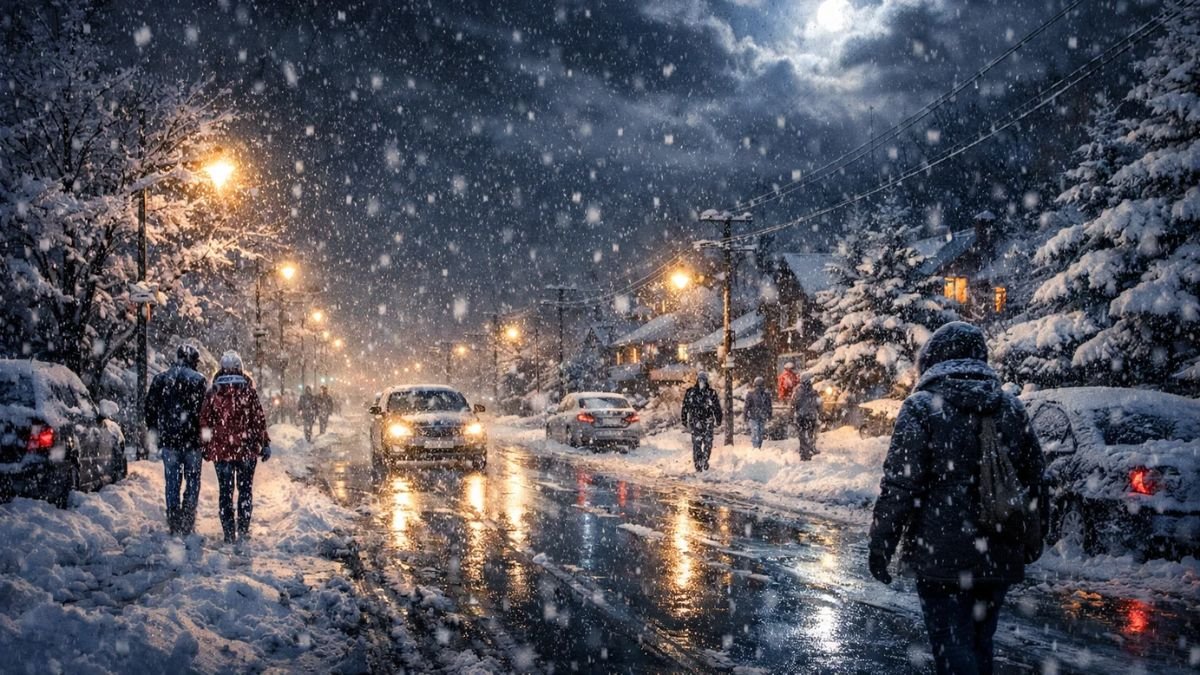
As the winter season deepens its grip across much of the northern hemisphere, meteorologists are now warning of a significant snowstorm expected to begin late tonight. This development has captured the attention of local authorities, residents, and travelers alike, as the forecast indicates not just heavy snowfall but also potential disruptions to daily life, travel, and essential services. Understanding the implications of this impending snowstorm and preparing accordingly is now a priority for many communities in the affected regions.
Forecast and Meteorological Insights
The meteorological agencies have observed a powerful low-pressure system developing in the northern regions, which is expected to bring a combination of frigid temperatures, gusty winds, and dense snowfall. Snowfall rates could reach two to four inches per hour at the storm’s peak, raising concerns over visibility and road safety. Experts emphasize that this is not just a typical winter snow event; the system carries characteristics of a more severe storm, reminiscent of winter storms from previous years that led to widespread school closures, traffic accidents, and power outages.
Meteorologists have explained that the heavy snow is a result of the collision between a mass of cold Arctic air moving southwards and a relatively warmer, moisture-laden air mass coming from the southwest. The resulting atmospheric instability is fueling snow formation at a rapid pace. Communities in the path of the storm are urged to remain updated with official weather alerts, as conditions could deteriorate quickly once the snowfall begins.
Regional Impact and Areas at Risk
According to forecasts, the heaviest accumulation is expected in northern urban centers and the surrounding suburban regions. These areas often experience amplified snow effects due to infrastructure constraints, such as limited snow-clearing capacity and high population density. Cities may face snowdrifts blocking roads, slippery sidewalks, and potential delays in public transportation services. The suburban and rural areas may also experience isolation if local roads become impassable, particularly in regions where snowplows and road maintenance crews have fewer resources.
For residents in affected regions, the risks are multifaceted. Commuters may face dangerous driving conditions, while pedestrians will have to navigate treacherous sidewalks and icy paths. Power lines may come under strain, particularly in areas where trees are heavily laden with snow. Additionally, emergency services could be stretched thin if accidents or health emergencies occur during peak snowfall periods.
Preparation and Safety Measures
As the storm approaches, authorities are emphasizing the importance of preparation. Homeowners are advised to stock up on essential supplies, including food, water, and medications, as travel may become hazardous or temporarily impossible. Residents are also encouraged to ensure that heating systems are in good working order and that backup sources of warmth, such as portable heaters or extra blankets, are available in case of power outages.
For drivers, safety measures include checking the condition of vehicles, particularly tires and brakes, and keeping an emergency kit in the car that includes items such as blankets, flashlights, and non-perishable snacks. Travelers are also advised to monitor road conditions and avoid unnecessary trips during the storm’s peak hours. Public transport authorities have announced that they will provide real-time updates and may adjust schedules to ensure safety, but disruptions are anticipated.
Effects on Transportation and Travel
Travelers across the region are bracing for significant delays and potential cancellations. Airports may experience disruptions due to runway closures and de-icing requirements for aircraft, while train and bus services could also face interruptions. Traffic authorities are particularly concerned about snow accumulation on major highways and bridges, where icy patches can lead to accidents even among experienced drivers.
Railway operators have begun contingency planning to reduce the risk of derailments or service delays, including the deployment of snowplows and the salting of critical tracks. Meanwhile, airlines are preparing for rescheduling flights and are advising passengers to check with carriers before traveling. Local authorities have also issued warnings about the potential for gridlocked roads in urban centers, urging residents to stay home whenever possible.
Health and Environmental Considerations
Heavy snowfall, while beautiful in its own right, can pose serious health risks. The cold temperatures accompanying the storm increase the risk of hypothermia and frostbite, especially for vulnerable populations such as the elderly, children, and those with pre-existing health conditions. People are advised to limit outdoor exposure, dress in layers, and take extra precautions when venturing outside.
Environmental concerns are also part of the discussion. Rapid snow accumulation can stress trees and power infrastructure, leading to downed branches and electrical outages. Additionally, the sudden influx of snow may impact local wildlife, as animals struggle to find food and shelter during the blizzard conditions. Emergency shelters and wildlife rescue operations are being prepared in anticipation of these challenges.
Community Response and Local Initiatives
Communities in the path of the storm are already mobilizing to mitigate the impact. Local authorities have activated snow emergency plans, which include deploying snowplows, salting roads, and establishing warming centers for those without adequate heating. Volunteer groups are organizing to check on elderly or isolated residents, ensuring that basic necessities are available to those who may be unable to venture out.
Schools and workplaces have begun to announce closures or remote arrangements to minimize exposure and ensure safety. While the storm may bring inconvenience, these proactive measures demonstrate the importance of community preparedness in responding to severe weather events. Residents are encouraged to stay informed through official channels and to support neighbors who may be more vulnerable during the storm.
Economic and Logistical Implications
Heavy snowstorms often have ripple effects on the economy and supply chains. Deliveries of essential goods, including groceries and medical supplies, may be delayed due to impassable roads. Businesses that rely on daily shipments could experience interruptions, while service industries such as public transport and logistics face additional operational challenges.
Retailers and local businesses may also see changes in consumer behavior, as residents stock up on supplies ahead of the storm. While this can lead to short-term economic activity, it can also strain inventory management and supply chain logistics. Local governments are coordinating with utility companies, emergency services, and private businesses to minimize disruptions and maintain essential services throughout the snow event.
Psychological and Social Effects
The approach of a major snowstorm often brings an unusual mix of excitement, anxiety, and caution. For some, the anticipation of heavy snow creates a sense of wonder and provides opportunities for recreation such as sledding, skiing, or snow photography. For others, however, the storm represents a source of stress, particularly for those who rely on daily travel for work or have concerns about personal safety.
Social networks, both online and within communities, play a crucial role in sharing real-time updates, safety tips, and support. People are encouraged to communicate with neighbors, check on vulnerable individuals, and participate in community-led initiatives to ensure collective resilience during the storm. Maintaining mental well-being is also essential, as the combination of isolation, disrupted routines, and harsh weather can affect mood and emotional health.
Conclusion
The heavy snow expected to begin late tonight is more than just a seasonal inconvenience. It represents a complex interplay of natural forces, community preparedness, and individual responsibility. As the storm approaches, staying informed, preparing adequately, and prioritizing safety are paramount for everyone in the affected regions. While the snowfall may transform landscapes into scenes of winter beauty, it also carries significant challenges that require thoughtful and proactive responses. By heeding official warnings, supporting neighbors, and taking practical precautions, communities can navigate the storm with resilience and emerge safely on the other side, ready to enjoy the quieter, snow-covered world it leaves behind.