
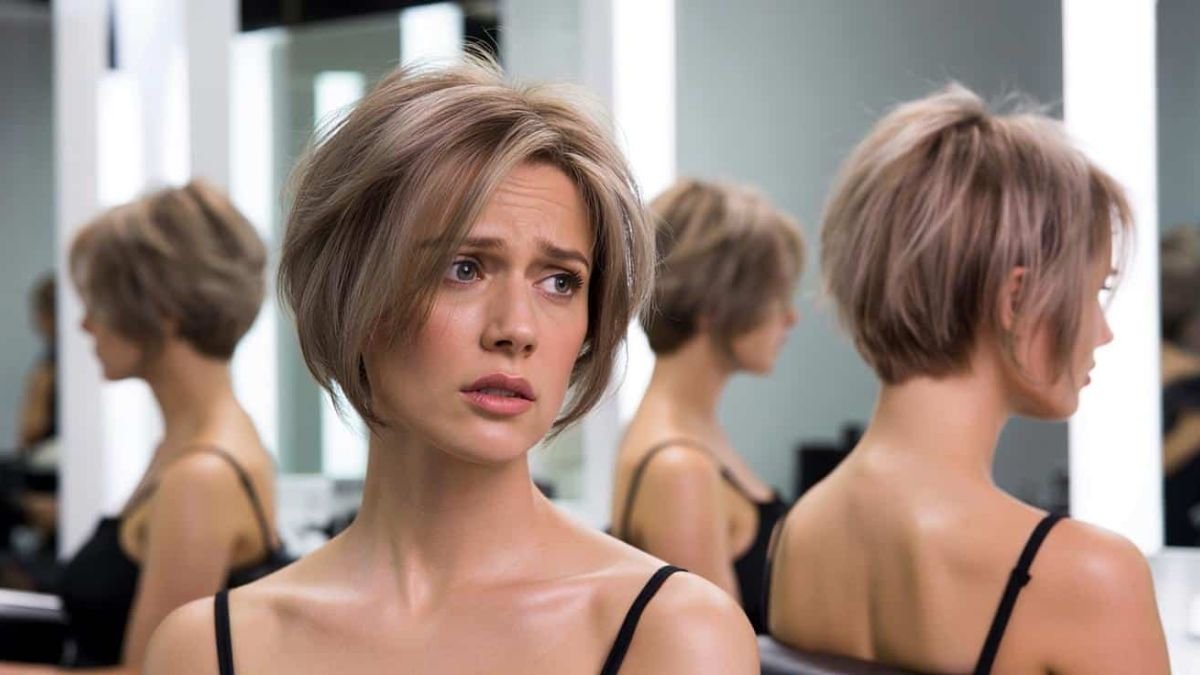
For years, women with fine or thinning hair have been told that shorter cuts are the secret to looking fuller, bouncier, and effortlessly stylish. Magazines praise pixies, influencers talk endlessly about “volume-boosting bobs,” and hair stylists often claim that chopping it all off is the magical fix for limp or flat hair. It sounds convincing, even logical—less hair means less weight, so it should lift more. But for many women with naturally fragile hair, this popular advice can backfire in ways they never expected.
The truth is that not every short haircut is designed for the unique needs of fine hair. Some styles that are marketed as “volumizing miracles” can actually make thin strands appear sparser, flatter, or even more damaged than before. When hair is already delicate, the wrong cut can emphasize transparency, expose the scalp, and require styling methods that put stress on already vulnerable strands.
This article takes an honest, in-depth look at four highly praised short hairstyles that may seem like the ultimate solution for volume—but may actually be the worst decision for women with fragile, fine hair. By understanding how these cuts behave in real life and how they interact with natural hair texture, women can make informed decisions instead of falling into trends that ultimately disappoint.
The Myth of Short Hair for Fine Strands
Many hairstyling trends rest on generalizations—one of the biggest being that “short hair is always better for fine hair.” While shorter lengths can create the illusion of body, the reality is far more nuanced. Fine hair behaves differently depending on its density, health, scalp condition, and natural movement. What works for one woman may be a disaster for another.
When a haircut is too short, too layered, or too texturized, fine hair struggles to hold shape. Instead of volume, it collapses closely to the scalp. Instead of fullness, it reveals more scalp exposure. And instead of looking thicker, it can appear wispy and uneven. The challenge becomes even greater when fine hair is fragile—prone to breakage, dryness, or thinning. Short haircuts often require heat, products, and constant upkeep, all of which can strain delicate strands.
Before diving deep into the four risky hairstyles, it’s important to understand why fragile fine hair needs gentle handling, thoughtful structure, and a careful balance of shape and weight. Not all short cuts offer this balance, no matter how fashionable they may seem.
The Textured Pixie: A Style That Looks Fuller Only on Paper
The textured pixie is one of the most recommended cuts for fine hair. In theory, choppy layers and piecey ends add dimension, making hair appear thicker. But for women with naturally fragile strands, this style often backfires dramatically.
Texturizing requires a razor or thinning shears, both of which remove bulk from the hair. On fine hair, this can mean losing the very little thickness you naturally have. Instead of enhancing fullness, the haircut disperses the limited density even further, creating airy, feathery sections that refuse to stay in place without heavy styling products.
Fragile hair also breaks easily at the ends, and a pixie relies heavily on the condition of tips. Once the ends fray, the haircut loses structure, making the entire head look uneven, sparse, or prematurely aging. And because a pixie sits so close to the scalp, any thinning at the crown suddenly becomes far more noticeable.
What looks effortlessly cool on celebrities often becomes a daily struggle for real women who lack the natural volume to support the style. For fine, fragile hair, the textured pixie can feel like a trap—promising density but delivering transparency.
The Stacked Bob: A High-Maintenance Cut That Exposes Every Weakness
The stacked bob is beloved for its dramatic shape, rounded lift, and chic appearance. It’s often recommended as the ideal style to “fake volume,” especially with its shorter layers at the back and longer pieces in the front. While this works beautifully for medium or thick hair, fine fragile hair may struggle to maintain that sculpted shape.
The biggest problem lies in the heavy layering at the back. To achieve the stacked effect, stylists cut multiple short layers that rely on firmness and strength to hold their contour. Fine hair, however, lacks the density to support this structure. Instead of lifting, the layers collapse, creating a flat, shapeless look.
Worse yet, the stacked bob demands daily heat styling—flat irons for polishing, round brushes for lift, and blow dryers for shaping. For fragile hair, this routine becomes damaging fast. Over time, the short layers break even further, leaving the back looking patchy or uneven.
Another issue is the exposed neckline. Women with thinning napes or fragile baby hairs at the back may find that this cut highlights areas they’d prefer to camouflage. Instead of creating confidence, it unintentionally draws attention to the most delicate parts of their hair.
The Blunt Micro-Bob: Sleek in Photos, Unforgiving in Reality
The micro-bob, often cut at jawline or above, has become a runaway trend. Its appeal comes from its clean lines and minimalist shape, which supposedly make fine hair look thicker. But what works on glossy editorial photos can be harsh and revealing on extremely delicate real-life hair.
The problem begins with the absence of movement. A micro-bob is meant to sit sharply and neatly, but fine hair tends to flip, separate, or cling to the head in uneven sections. This destroys the intended shape and makes the haircut appear limp instead of structured.
Additionally, because the cut ends at such a short length, it reveals the natural texture of the ends—any dryness, frizz, or uneven strands stand out dramatically. For fragile hair, which already struggles with smoothness, this means the style often looks frayed instead of crisp.
The micro-bob also emphasizes facial features more than longer lengths. When paired with thinning hairlines or widening parts, it can make hair loss or fragility more noticeable. Women expecting a youthful, volumized effect may instead feel more self-conscious, as the cut offers nowhere to hide imperfections.
The Feathered Crop: Too Wispy, Too Delicate, Too Risky
The feathered crop is often marketed as a soft short haircut that adds volume through airy layers. Its feathery tips are supposed to create movement and fullness. But this style is one of the riskiest for women with fragile, fine strands.
Feathering requires aggressive thinning and texturizing, which removes mass from the ends. For women who start with limited mass, this technique essentially erases the very bulk the haircut is meant to showcase. Hair begins to look wispy, uneven, and over-processed.
Because the style relies on perfectly tapered ends, fragile hair struggle to maintain those smooth, delicate textures. As soon as the ends start snapping from dryness or heat damage, the haircut deteriorates quickly, losing all form.
To maintain the “feathered” illusion, women often find themselves using curling irons, straighteners, volume sprays, and blow dryers. This constant pressure only accelerates breakage, causing the hair to weaken further. What begins as a soft, flattering shape turns into a style that highlights fragility rather than hiding it.
Why These Hairstyles Backfire on Fine, Fragile Hair
All four of these praised volumizing hairstyles share a common flaw: they depend on hair strength, density, and resilience—traits that fragile fine hair simply doesn’t have. These haircuts work beautifully on women whose fine hair is still healthy, full, and capable of holding sculpted shapes. But when the hair is delicate, thinning, or breakage-prone, these styles reveal every weakness instead of concealing it.
The main issues include:
- Constant heat styling that causes more damage
- Layering methods that remove crucial bulk
- Lengths that expose thinning areas
- Shapes that collapse without natural density
- Ends that become brittle and uneven quickly
Instead of volumizing, these cuts can leave hair looking flat, sparse, or even more fragile than before.
Gentler Alternatives for Fine, Fragile Hair
While the trendy cuts may fail, not all hope is lost. Fine, delicate hair can still look full and beautiful with thoughtful, supportive cuts. Slightly longer bobs, soft one-length styles, collarbone cuts, and subtle internal layering can help maintain weight and health while still offering movement and body. The goal is to keep density intact, protect the ends, and avoid overly dramatic texturizing techniques.
Working with a stylist who understands the biology of fine hair—its elasticity, density, and growth patterns—can make all the difference. With the right cut, even fragile hair can look its best without sacrificing its long-term health.
Conclusion
Short haircuts are often praised as the holy grail for adding volume to fine hair. Yet, as this article explains, not every short style is suitable for fragile strands. The textured pixie, stacked bob, micro-bob, and feathered crop may look stunning in photos or on women with healthy density, but they can be some of the worst decisions for those with naturally delicate hair.
True volume isn’t created through aggressive texturizing or dramatic shapes—it comes from choosing styles that respect the limits of your hair. Women with fine, fragile strands deserve cuts that support fullness, preserve strength, and enhance confidence. And sometimes, that means avoiding the very trends that promise miracles and instead embracing thoughtful styles that truly work for their unique hair needs.
FAQs
1. Are short haircuts good for fine hair?
Sometimes yes, but certain short styles can make fine hair look even thinner or cause breakage.
2. Which short hairstyles should women with fragile hair avoid?
Avoid extreme layers, choppy pixies, undercuts, and heavy texturing—they reduce density and weaken hair.
3. Why do volumizing cuts sometimes backfire?
Too much layering removes bulk, making hair appear flat, limp, and even more fragile.
